[About Us]

OBSESSED WITH OUR OCEANS.
SERIOUS ABOUT ENGINEERING.

  • BIOMIMETIC SENSING FOR THE ENVIRONMENTS LEGACY SONAR LEAVES BEHIND

[ABOUT US]

nature had
the answer

Sperm whales do not hunt the way they communicate. For communication they use FM sweeps, the same signal pattern conventional sonar relies on. For hunting they switch to something entirely different: short, directional, broadband impulsive clicks, precisely timed for maximum return in cluttered, reverberant conditions.

A sperm whale can detect, classify, and localize a squid the size of a grapefruit from over a nautical mile away in complex underwater environments. That is not a coincidence. That is thirty million years of biological optimisation for exactly the acoustic problem Extreme Sonar was built to solve.


We studied that mechanism. We engineered it into hardware. The result is not a sonar system inspired by nature, it is a sonar system derived from it. Better signal in means better information out. That principle, translated from biology into low-SWaP acoustic hardware, is the foundation of everything Extreme Sonar builds.

Sperm whales do not hunt the way they communicate. For communication they use FM sweeps, the same signal pattern conventional sonar relies on. For hunting they switch to something entirely different: short, directional, broadband impulsive clicks, precisely timed for maximum return in cluttered, reverberant conditions.

A sperm whale can detect, classify, and localize a squid the size of a grapefruit from over a nautical mile away in complex underwater environments. That is not a coincidence. That is thirty million years of biological optimisation for exactly the acoustic problem Extreme Sonar was built to solve.


We studied that mechanism. We engineered it into hardware. The result is not a sonar system inspired by nature, it is a sonar system derived from it. Better signal in means better information out. That principle, translated from biology into low-SWaP acoustic hardware, is the foundation of everything Extreme Sonar builds.

230dB

230dB

Loudest biological sound on earth

1,000

Clicks per second at peak echolocation

100Hz - 30kHz

100Hz - 30kHz

Click frequency range

image of a group of people as a team
  • BIOMIMETIC SENSING FOR THE ENVIRONMENTS LEGACY SONAR LEAVES BEHIND

the TEAM dedicated to the next generation of sonar
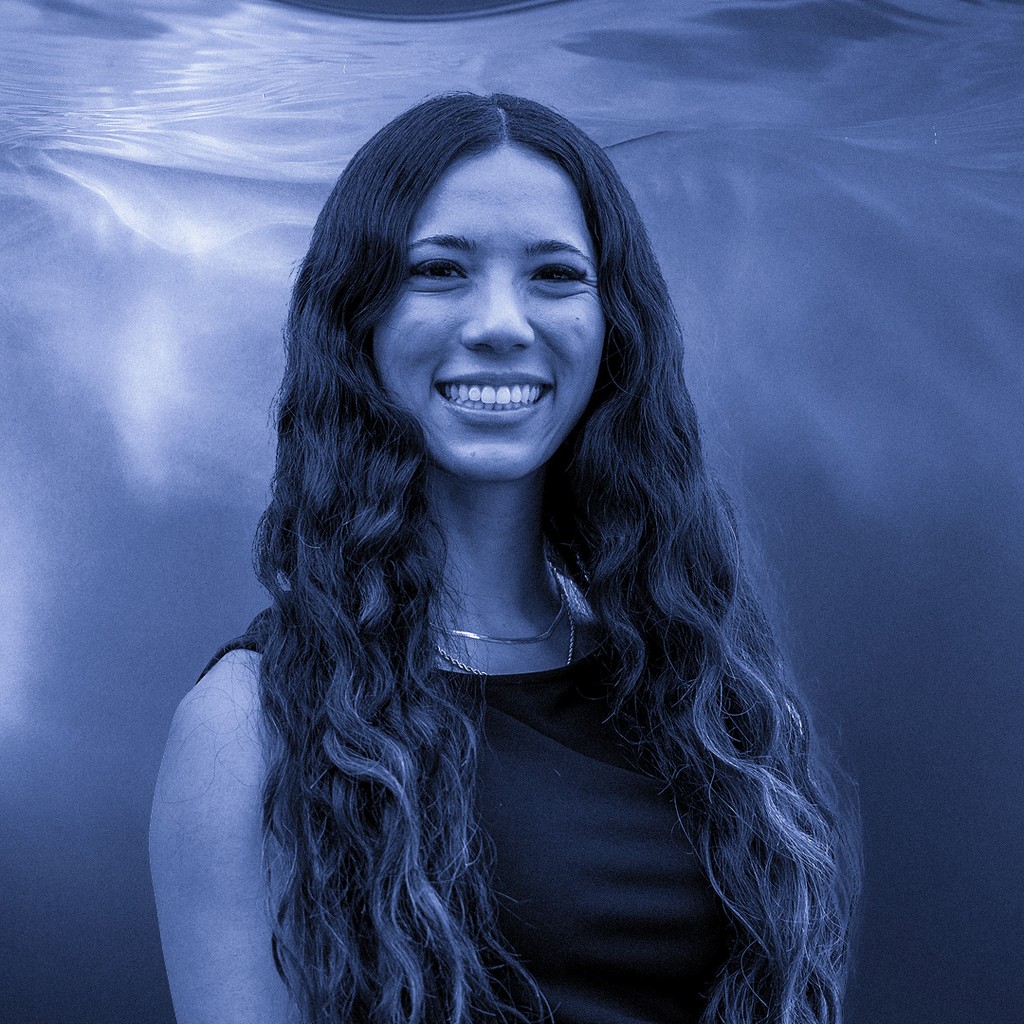
Not a large team. A focused one. Designers, engineers, and operators working toward a single outcome; underwater sensing that performs where it matters most.

Not a large team. A focused one. Designers, engineers, and operators working toward a single outcome; underwater sensing that performs where it matters most.

Kimberly Jinping

Strategic advisor with over a decade of experience helping startups grow with clarity.

JOSHUA MARTIN

Visionary thinker with a passion for turning early-stage ideas into profitable businesses.

ANDREW SHERIDAN

From process design to execution, Rachel ensures the internal engine runs efficiently.

Jason Reed

Brings tech fluency into business strategy, helping clients make smarter digital decisions.

  • BIOMIMETIC SENSING FOR THE ENVIRONMENTS LEGACY SONAR LEAVES BEHIND

Create a free website with Framer, the website builder loved by startups, designers and agencies.